
Ampoule connectée qui se déconnecte constamment : 7 solutions faciles
Guide pratique pour résoudre les déconnexions fréquentes des ampoules intelligentes, avec des étapes claires et des produits recommandés.
Lire →
Smart Home + Lifestyle
Découvre, compare et installe ton éclairage smart home sans prise de tête.
Guide pratique pour résoudre les déconnexions fréquentes des ampoules intelligentes, avec des étapes claires et des produits recommandés.
Lire →
Comparatif complet Govee vs Kasa pour choisir la meilleure ampoule RGB selon ambiance, stabilité et automatisations.
Lire →
Guide debutant pour comprendre Matter en 2026: compatibilite, installation simple et premiers appareils a acheter.
Lire →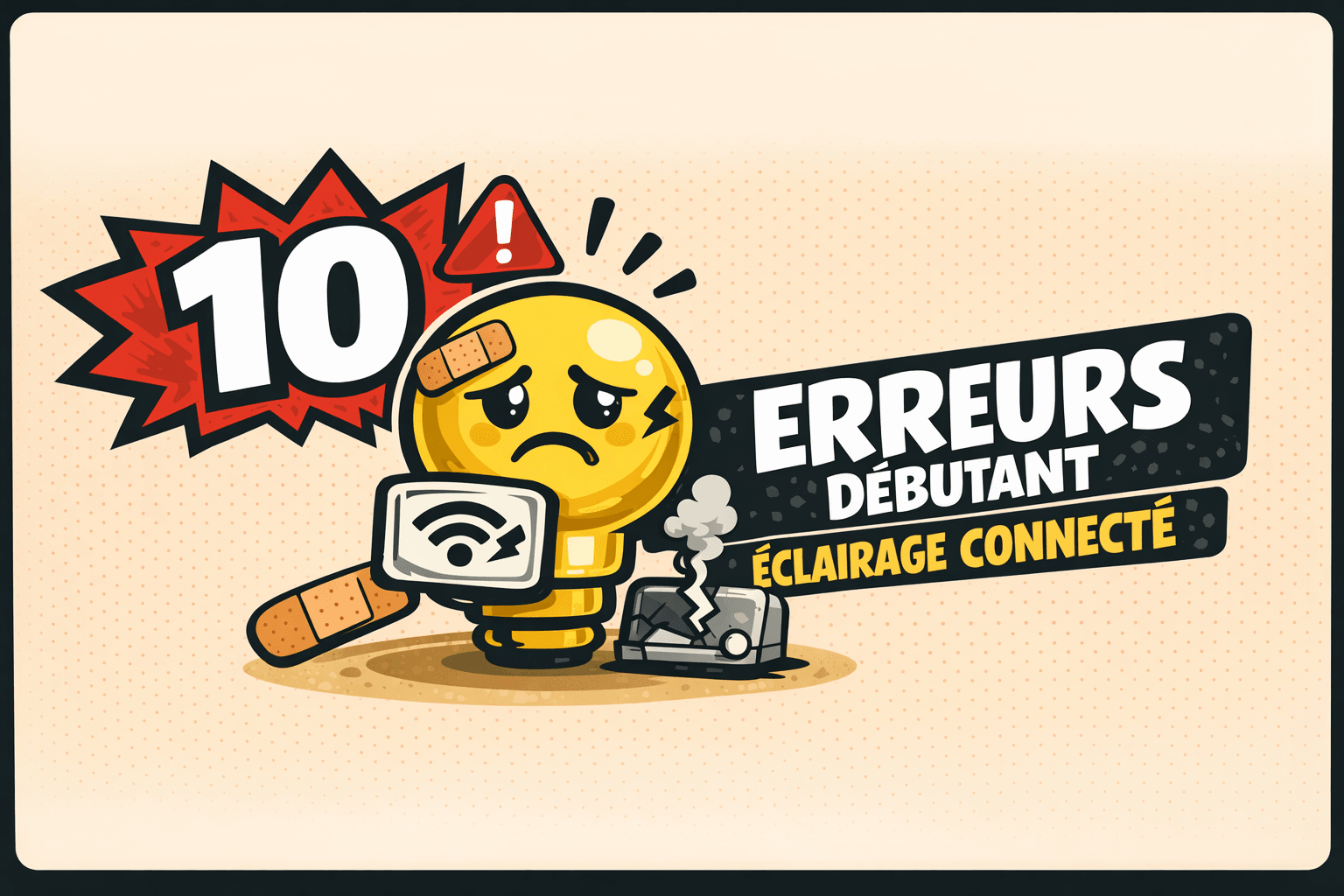
Les erreurs les plus fréquentes en éclairage connecté et comment les éviter dès le départ.
Lire →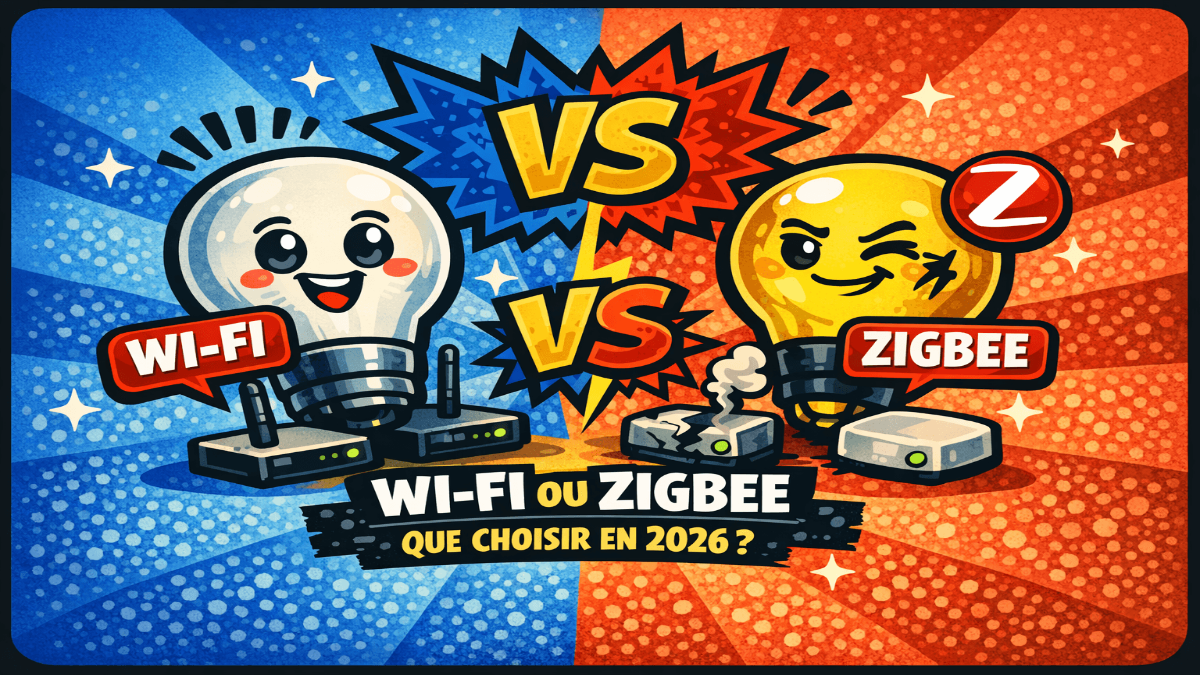
Comparatif complet entre ampoules Wi-Fi, Zigbee et le nouveau protocole Matter. Choisis le bon protocole pour ton éclairage connecté sans te tromper.
Lire →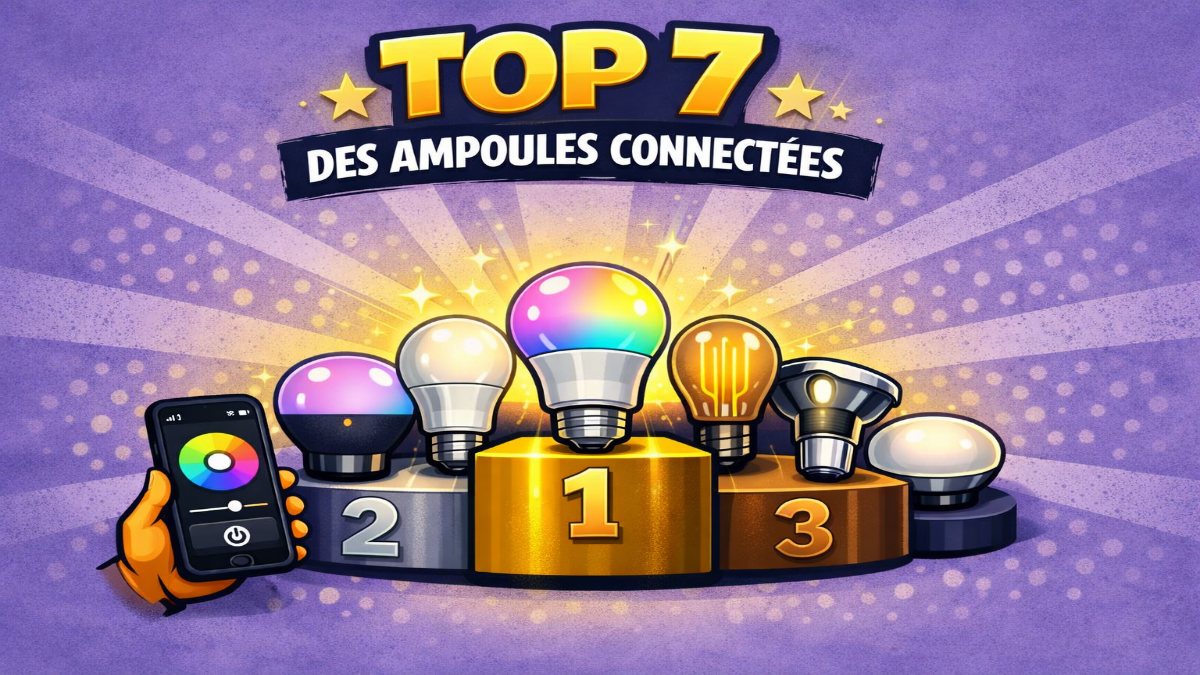
Comparatif complet des meilleures ampoules intelligentes et faciles à installer sans stress, compatibles Alexa, Google Home et Matter.
Lire →Un comparatif rapide des modèles fiables pour démarrer sans stress.
Le setup le plus simple pour connecter toute la maison en quelques minutes.
Des scénarios prêts à copier pour une ambiance utile et agréable toute la journée.